Article Overview: This guide provides an objective comparison of LED and fluorescent lighting for marine vessels, covering energy efficiency, lifespan, vibration resistance, retrofit compatibility, and total cost of ownership. It is designed to help CTOs, technical architects, procurement teams, and evaluation committees make informed decisions when upgrading ship lighting systems. The analysis includes trade-offs, decision checkpoints, and practical retrofit considerations based on current marine industry evidence.
Evaluating Energy Efficiency and Operational Costs
When comparing LED and fluorescent marine lighting, energy efficiency is often the first metric cited. LEDs typically consume 50–70% less power than fluorescent tubes for the same lumen output. On a vessel where lighting runs 24/7 during voyages, this reduction translates directly into lower fuel consumption (since onboard generators must supply electrical load) and reduced emissions. For a typical cargo ship with hundreds of light fixtures, the annual energy savings can be substantial.
However, the initial purchase cost of LED marine lights remains higher than equivalent fluorescent fixtures. Procurement teams must calculate total cost of ownership (TCO) over the expected life of the vessel. Fluorescent lights have lower upfront cost but require more frequent lamp and ballast replacements, which adds labor and downtime. LEDs, with lifespans often exceeding 50,000 hours (vs. 8,000–15,000 hours for fluorescent), reduce replacement cycles dramatically. The breakeven point typically occurs within 2–4 years under continuous operation, making LED the economically favorable choice for long-haul vessels.
It is important to note that actual energy savings depend on fixture design, driver efficiency, and thermal management in the marine environment. Some LED retrofits may underperform if the heat sink is inadequate for engine room or tropical conditions. Evaluate product specifications from manufacturers like those found in the Product pages for certified marine-grade LEDs.
Lifespan, Maintenance, and Reliability at Sea
Fluorescent lamps degrade over time, with lumen output dropping and color temperature shifting. They are also sensitive to frequent on-off cycles, which shorten lifespan. In contrast, LEDs maintain consistent light output for most of their rated life, and they are not affected by switching cycles. This reliability advantage is critical in marine applications where lighting failure can compromise safety during navigation, cargo handling, or emergency situations.
Maintenance burden differs significantly. Fluorescent systems require periodic replacement of tubes, starters, and ballasts. On a ship, stocking spare tubes of different lengths and wattages adds inventory complexity. LEDs have fewer failure points; the driver (power supply) is the most common failure component, but many modern marine LEDs integrate driver and optics in a sealed, potted assembly. Crew intervention is reduced, freeing time for other tasks.
However, LEDs are not universally superior. Some early marine LED retrofits suffered from premature driver failure due to voltage surges or poor heat dissipation in enclosed fixtures. Reputable manufacturers address this with robust surge protection and thermal design. When sourcing replacements, consider products that have been type-tested for marine vibration and humidity. For existing fluorescent installations, you may need to replace not only the lamp but also the lampholder and wiring. See the Accessories section for compatible components such as lampholders.
Vibration Resistance and Durability in Marine Environments
Ships experience constant vibration from engines, propellers, and wave action. Fluorescent tubes are glass and can shatter if not properly secured; phosphor coating may also degrade. LEDs, being solid-state, inherently withstand vibration better. Many marine LED fixtures are built with aluminum housings and polycarbonate lenses, offering high impact resistance.
However, the choice is not simply LED vs. fluorescent: it also depends on the specific fixture design. For example, explosion-proof lighting in hazardous zones must meet additional certification standards. Both LED and fluorescent explosion-proof lights exist, but LED versions are increasingly preferred because they run cooler and eliminate the risk of tube breakage. Fire-resistant cables and sealed connectors further enhance safety. For applications requiring maximum durability, investigate specialized marine LED products such as Explosion Proof Light.
One trade-off: LEDs can be more sensitive to high ambient temperature. In engine rooms or boiler areas, the lifetime of an LED lamp may decrease if the fixture is not designed for high heat. Fluorescent lamps also lose efficiency in heat, but their failure mode is often more gradual. Buyers should request thermal test data for the intended mounting location.
Retrofit Compatibility: Electrical and Mechanical Considerations
Retrofitting from fluorescent to LED is not always a simple lamp swap. Electrical compatibility is a primary concern. Many older fluorescent fixtures use magnetic ballasts that draw higher current and may not be compatible with LED drivers. Some retrofit kits allow direct replacement of the tube while bypassing the ballast, but this requires rewiring. Other kits include a driver that integrates with the existing ballast, though compatibility varies. It is essential to verify the fixture type and consult the manufacturer's retrofit guidelines.
Mechanical fit also matters. Fluorescent tubes are often 2-foot or 4-foot (600mm or 1200mm) with specific pin configurations (G13 for T8, G5 for T5). LED tubes of similar length may have different pin spacing or require a non-shunted lampholder. For example, the Marine Fluorescent Light page shows the types of lampholders used in existing installations. Before proceeding, inventory your existing lampholders; you may need to replace them with LED-specific versions.
Another factor: dimming compatibility. Many marine lighting systems are not dimmed, but if dimming is required, ensure the LED driver is compatible with the dimmer type (PWM, 0-10V, etc.). Fluorescent dimming is also possible but less common. Additionally, electromagnetic interference (EMI) from LED drivers can affect sensitive navigation equipment; choose FCC/CE certified marine LEDs with low EMI ratings.
Decision Framework: When to Upgrade and What to Watch For
Below is a checklist for evaluation committees to compare LED vs. fluorescent solutions for a specific vessel or fleet:
- Operating profile: Continuous operation (favor LED) vs. intermittent use where initial cost is more impactful.
- Environmental conditions: Vibration, humidity, temperature extremes – LEDs generally win, but verify thermal ratings.
- Hazardous zones: Explosion-proof requirements – both technologies exist, but LED offers lower surface temperature and no tube rupture risk.
- Existing infrastructure: Age of fluorescent fixtures, availability of compatible lampholders, wiring, and ballasts. If many fixtures are nearing end of life, full LED retrofit is justified.
- Total cost of ownership: Include purchase, installation, energy, maintenance, and disposal costs over 10 years.
- Crew training: Minimal for both, but ensure crew knows not to discard LED tubes that contain electronics in regular waste.
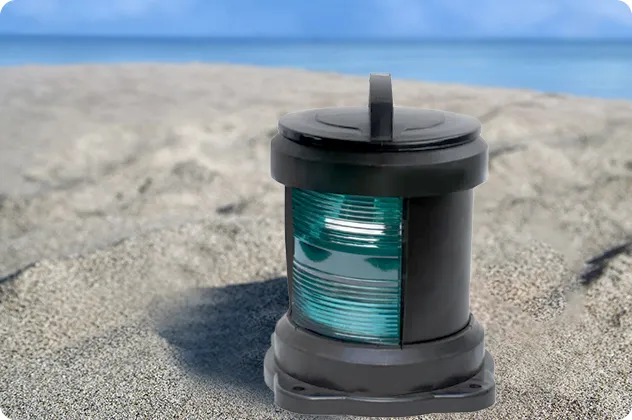
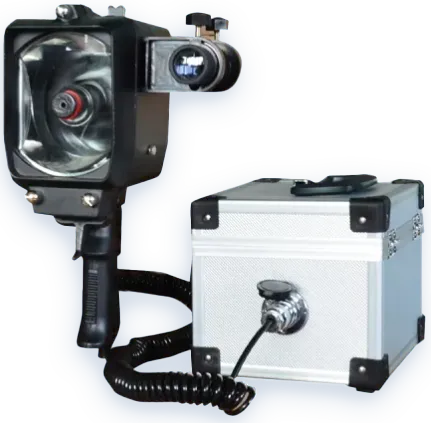
For vessels with a mix of lighting types, a phased retrofit may be optimal: start with high-usage areas like engine room and deck, then expand to cabins and holds. Keep spare fluorescent tubes for critical areas until LED replacement is fully validated. Use internal links for specific product categories: Navigation Signal Light, Flood Light Search Light, and Marine Electrical Connectors to ensure compatibility with your electrical system.
Frequently Asked Questions
- Can I directly replace a fluorescent tube with an LED tube in my existing marine fixture? It depends on the fixture. Some LED tubes are designed for direct retrofit when the existing ballast is bypassed. Others require a compatible ballast or a complete fixture replacement. Always check the product specification and consult an electrician familiar with marine installations.
- Are LED marine lights more expensive to insure? Generally no. LEDs pose lower fire risk due to cooler operation, and some insurers may offer discounts for LED retrofits. However, ensure that the LED fixtures are certified to marine standards (e.g., IMO, USCG, or classification society approvals).
- How do I dispose of old fluorescent tubes? Fluorescent tubes contain mercury and must be disposed of as hazardous waste per local regulations. Many ports offer lamp recycling services. LEDs contain no mercury but may have electronic components that should be recycled properly.
- What is the typical payback period for a ship's LED lighting retrofit? Based on case studies, the payback period ranges from 2 to 4 years for vessels with high operating hours. Factors include local electricity cost, existing lighting efficiency, and initial investment.
Conclusion
The transition from fluorescent to LED marine lighting is driven by genuine operational benefits: lower energy consumption, longer lifespan, better vibration resistance, and reduced maintenance. However, the decision is not one-size-fits-all. Procurement teams must evaluate technical compatibility, environmental conditions, and total cost of ownership. The framework outlined above helps compare options objectively. By understanding the trade-offs and using verified product specifications from reputable manufacturers like Zhiyue Marine, naval architects and CTOs can make confident, future-proof investments in vessel lighting.