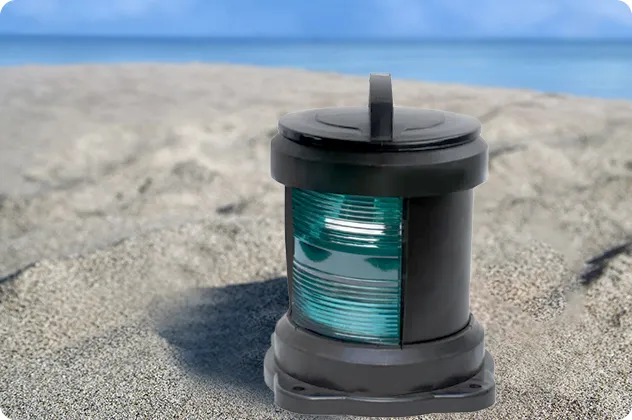
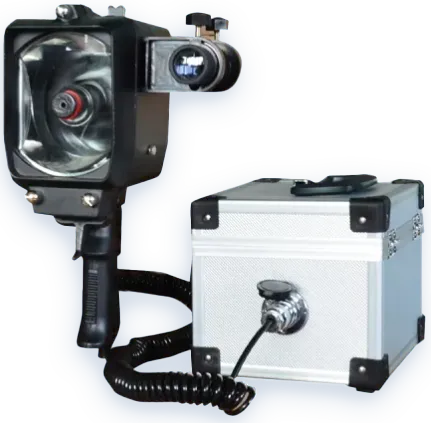
Article Overview: This article explains the specifications, selection criteria, and sourcing considerations for the Marine Spot Light TG7. It is intended for engineering managers, technical buyers, and operations leaders involved in marine lighting procurement.
What Is the Marine Spot Light TG7?
The Marine Spot Light TG7 is a heavy-duty searchlight designed for maritime applications requiring focused illumination over long distances. Typical uses include navigation hazard detection, docking assistance, and security patrols on commercial vessels, workboats, and offshore platforms.
Why Are Key Specifications Important for Selection?
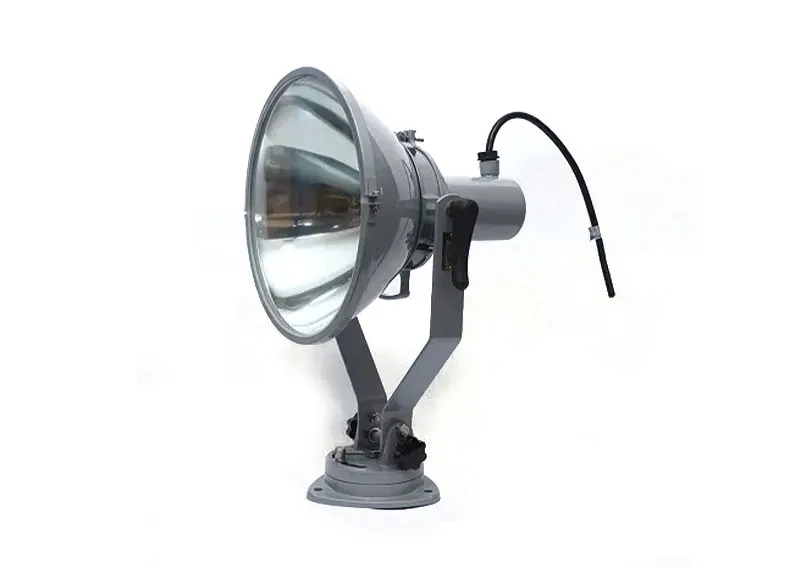
Key specifications such as luminous flux, beam distance, ingress protection rating, and material corrosion resistance directly determine the light's performance and longevity in marine environments.
When evaluating the TG7, focus on these measurable parameters:
- Luminous flux (lumens): Determines overall brightness. Higher lumens are needed for long-range search operations.
- Beam distance (meters): The effective range at which the light provides usable illumination. Typically measured at 1 lux.
- Ingress Protection (IP) rating: Minimum IP56 is recommended for deck-mounted lights exposed to spray and rain. IP67 offers temporary submersion protection.
- Housing material: Marine-grade stainless steel (e.g., 316L) or corrosion-resistant aluminum with hard anodizing. Avoid painted steel in saltwater environments.
- Lamp type and power: LED or halogen. LED offers longer life (50,000+ hours) and lower power consumption, but initial cost is higher.
- Operating temperature range: Ensure the light functions in expected ambient conditions, typically -30°C to +55°C for marine equipment.
Typical TG7 Variants Comparison
| Variant | Luminous Flux (lm) | Beam Distance (m) | IP Rating | Lamp Life (hours) |
|---|---|---|---|---|
| TG7-LED-100 | 10,000 | 800 | IP67 | 50,000 |
| TG7-HAL-200 | 8,000 | 700 | IP56 | 2,000 |
How to Verify Compliance and Certifications?
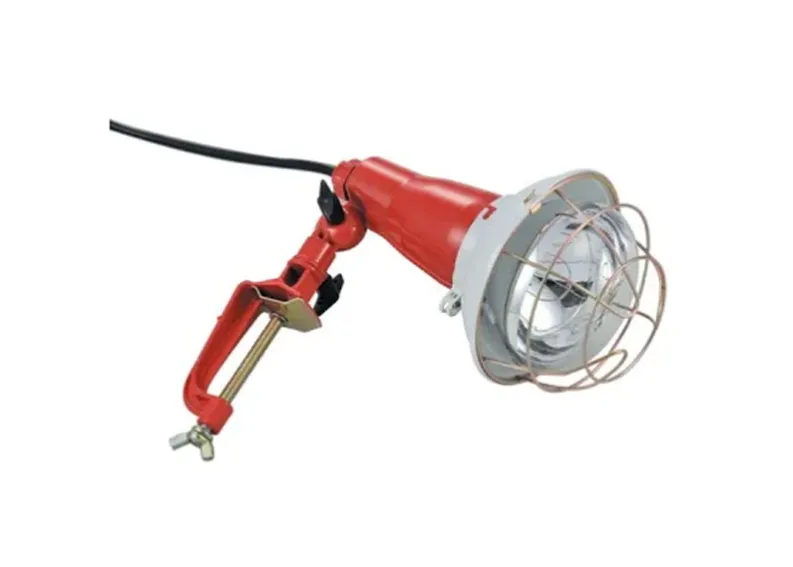
Verify that the TG7 model holds applicable marine certifications such as IEC 60598-1, IEC 60529 (IP rating), and optionally Lloyd's Register or DNV type approval for classed vessels.
Certifications reduce the risk of non-compliance during vessel surveys. Request a copy of the test report or certificate from the manufacturer. For vessels operating in international waters, SOLAS Chapter V regulation 22 may apply to searchlights. Check with your flag state or classification society.
Sourcing red flag #1: Some suppliers claim “marine grade” without providing a material certificate (e.g., EN 10204 3.1 for stainless steel). Mitigation: Request a mill test certificate for the housing and fasteners. Reject suppliers unable to provide traceable documentation.
What Are the Installation and Maintenance Considerations?
Installation requires proper mounting, electrical integration, and alignment to achieve the specified beam pattern and avoid interference with other navigation equipment.
Step 1: Mounting
Secure the light to a deck or mast bracket using stainless steel bolts (grade A4-70 minimum). Ensure the mounting surface can withstand the light's weight and vibration loads. Use a gasket to maintain the IP seal.
Step 2: Electrical Connection
Connect the cable to a dedicated marine-grade circuit breaker. Use cable glands rated for the IP class. Verify voltage compatibility (typically 12V, 24V, or 220V AC/DC). Follow the manufacturer's wiring diagram to avoid reverse polarity damage.
Step 3: Alignment
Adjust the horizontal and vertical rotation to cover the intended search area. Tighten locking screws to prevent drift under vessel motion. Test beam focus by aiming at a distant object at night.
Regular maintenance includes cleaning the lens with fresh water and a soft cloth, inspecting seals for cracks, and checking electrical connections for corrosion. LED models require lamp replacement only at end of life; halogen bulbs need periodic replacement.
Sourcing red flag #2: Vague Incoterms such as “EXW” without clarifying handling and export packaging. Mitigation: Specify CIP or DAP terms to include insurance and delivery to a named port. Confirm packaging meets maritime shipping standards (e.g., wooden crates with desiccant).
How to Choose Between LED and Halogen Models?
Choose LED for longer service life and lower energy consumption; choose halogen for lower upfront cost and warmer light color if color rendering is critical for visual search tasks.
Consider total cost of ownership over 5 years: LED models typically break even after 2–3 years due to reduced lamp replacements and lower power draw. For vessels with limited electrical capacity (e.g., small workboats), LED's lower amperage is advantageous.
Check the color temperature: Cool white (5000–6500K) offers better contrast for night vision, while warm white (3000K) penetrates fog slightly better. Some models offer dual-beam or dimming options.
FAQ
What is the typical beam distance of the Marine Spot Light TG7?
Beam distance varies by model, typically 700–800 meters at 1 lux for LED variants.
Is the TG7 suitable for saltwater environments?
Yes, if the housing is marine-grade stainless steel or anodized aluminum with IP56 or higher rating.
What certifications should I look for?
Look for IEC 60598-1, IEC 60529, and optional classification society approval (e.g., Lloyd's Register, DNV).
Can I install the TG7 myself?
Installation requires basic electrical and mechanical skills. Ensure compliance with vessel wiring standards and consult a marine electrician if unsure.
Conclusion
Selecting the Marine Spot Light TG7 requires careful evaluation of specifications, certifications, and sourcing practices. Prioritize measurable parameters like beam distance, IP rating, and material certificates. Verify supplier documentation and avoid vague Incoterms. For further guidance, explore our flood light and search light collection, or visit the Marine Spot Light TG7 product page for detailed specifications.