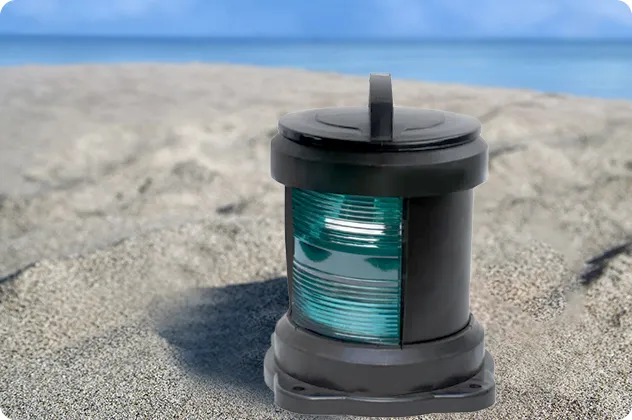
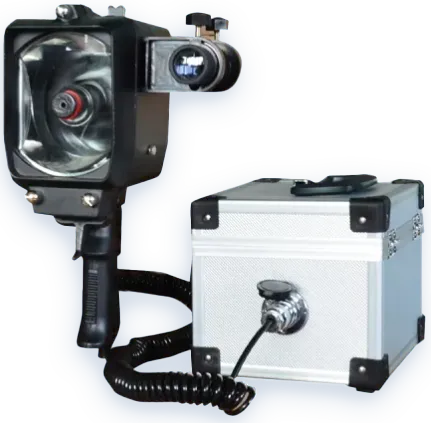
Article Overview: This article provides a technical guide for selecting marine navigation signal lights, covering regulatory compliance, key specifications, supplier verification, and installation considerations. It is intended for engineering managers, technical buyers, and operations leaders involved in marine equipment procurement.
Why Are Marine Navigation Signal Lights Essential for Compliance?
Marine navigation signal lights ensure vessel visibility in accordance with international regulations, such as the International Regulations for Preventing Collisions at Sea (COLREGs) and national standards like GB/T 3028-1995. Failure to install compliant lights can result in penalties, insurance issues, and increased collision risk.
The COLREGs define required light configurations based on vessel length, type, and operation. For example, vessels under 12 meters may use smaller lights with a 1 nautical mile visibility range, while larger vessels require 2+ nautical mile visibility. Lights are classified by sector (e.g., masthead: 225°, side lights: 112.5°, stern: 135°, all-round: 360°). Choosing lights that meet these specifications is non-negotiable for certification.
Key compliance factors:
- Visibility range: 1 or 2 nautical miles depending on vessel size
- Horizontal arc and vertical position
- Color: red for port, green for starboard, white for masthead and stern
- Protection rating: typically IP56 or higher for marine environments
What Key Specifications Should You Evaluate?
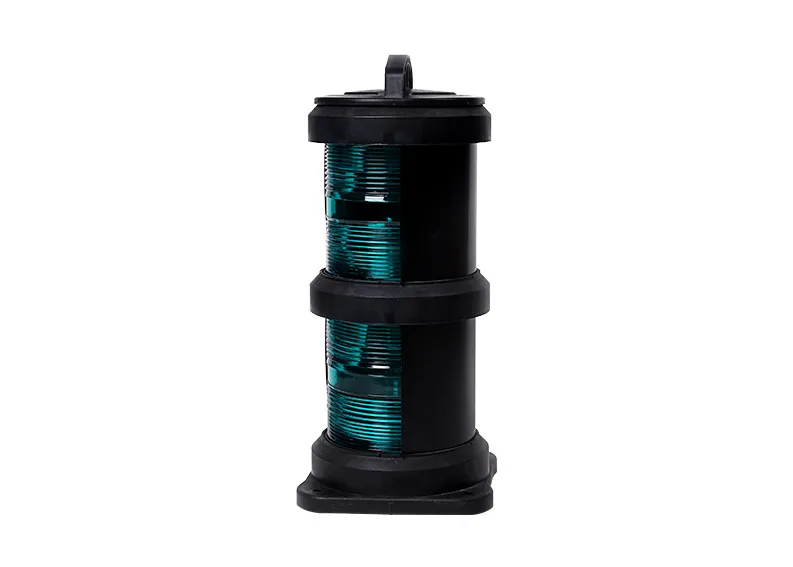
Evaluate voltage, power, IP rating, material durability, lamp type, and mounting compatibility against your vessel's operational profile and certification requirements.
Marine navigation signal lights must withstand saltwater exposure, vibration, and temperature extremes. Common specifications include:
- Voltage: 12V, 24V, or 220V AC/DC – match vessel electrical system.
- Power: Typically 25W to 60W for incandescent, or lower for LED equivalents.
- IP Rating: At least IP56 (dust-protected and water-resistant).
- Material: Stainless steel, high-strength engineering plastic (PA+GF), or copper-based alloys.
- Lamp Type: Incandescent (BA15D or B15D base) or LED with long life (e.g., 700 hours average for some models).
- Visibility: Measured in nautical miles (nm) as certified by testing.
For example, the CXH1-3P series from Zhiyue Marine offers 1 nm visibility for side lights and 2 nm for masthead/stern lights, with IP56 protection and -30°C to 55°C operating range.
How to Verify Supplier Reliability and Avoid Sourcing Red Flags
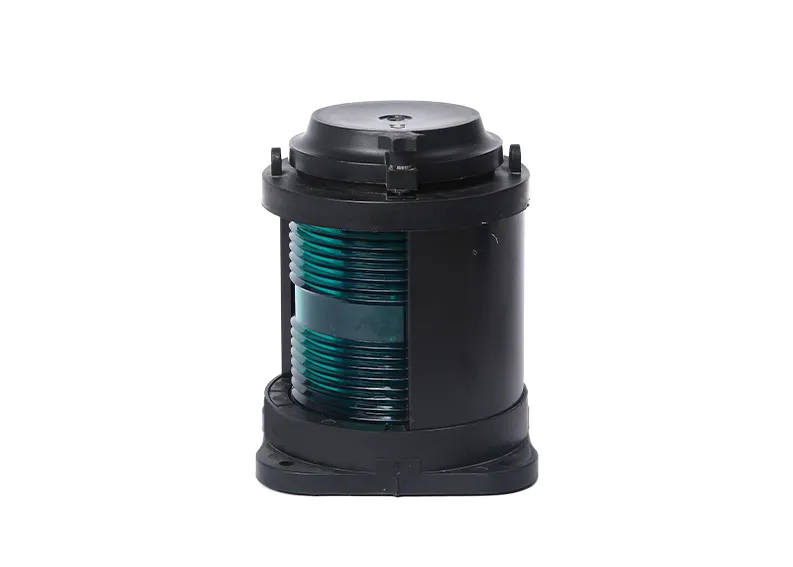
Always request material certifications (e.g., type approval certificates, impact test reports) and audit sub-tier suppliers to ensure traceability and quality consistency.
Sourcing Red Flag 1: Unverified sub-tier suppliers. Many marine light manufacturers source components like lampshades, gaskets, and electronic drivers from third-party factories. If the supplier cannot provide evidence of raw material origin or quality control at sub-tier level, you risk receiving lights with dimensional tolerances that cause seal failure or reduced light output. Mitigation: Request a bill of materials (BOM) with manufacturer part numbers and request random batch testing during production.
Sourcing Red Flag 2: Missing or vague material certifications. Suppliers may claim compliance with standards like GB/T 3028 or COLREGs without providing test reports. Vague statements like "complies with industry standards" are insufficient. Mitigation: Demand copies of third-party test reports (e.g., from CCS, DNV, or CCS-approved labs) and verify the certification scope matches your vessel's requirements.
Additional checks: Review Incoterms clearly (e.g., FOB or CIF) and clarify warranty terms. For large orders, consider a pre-shipment inspection focusing on light intensity, color consistency, and IP sealing test.
How to Ensure Proper Installation and Maintenance?
Correct installation affects light performance and longevity. Assign responsibility to trained technicians and follow manufacturer guidelines for electrical connection, sealing, and grounding.
Step 1: Mounting and Positioning
Install lights at the correct height on the vessel's centerline (for masthead) or port/starboard sides. Use corrosion-resistant brackets and ensure unobstructed horizontal arcs.
Step 2: Electrical Integration
Wire lights to the ship's power supply using marine-grade cables of appropriate gauge (e.g., Φ10-Φ12 mm). Verify polarity for DC systems. Include a dedicated fuse or circuit breaker per light circuit.
Step 3: Sealing and Testing
Ensure cable entry glands are tightened to maintain IP rating. After installation, conduct a functional test including a light alignment check using a photometer or visual at night. Document results for survey records.
Routine maintenance: Check lamp tightness annually, replace bulbs every 6-12 months depending on usage, and inspect seals for cracking. For LED lights, monitor for dimming or flicker as early signs of driver failure.
FAQ
What standards govern marine navigation signal lights?
International COLREGs (IMO) and national standards such as GB/T 3028 in China, or USCG requirements in the United States. Always verify the applicable regulation for your vessel's flag state.
Can I use automotive or general-purpose lights instead?
No. Marine navigation lights must meet specific luminosity, color, and beam pattern standards. Non-marine lights risk failing inspections and compromising safety.
How long do marine navigation signal lights last?
Incandescent bulbs average 700-1000 hours; LED variants can exceed 50,000 hours, but driver failure may occur earlier. Look for supplier-stated MTBF values.
What is the difference between IP56 and IP55?
IP56 offers Protection against high-pressure water jets, while IP55 protects against low-pressure jets. For deck-level exposure, IP56 is recommended.
Conclusion: Selecting the Right Marine Navigation Signal Light
Choosing a marine navigation signal light requires balancing regulatory compliance, technical specifications, and supply chain due diligence. Prioritize certified products with clear test evidence, known material sourcing, and proven performance in marine environments. For a reliable selection of marine navigation signal lights validated for global use, review the options available from trusted manufacturers such as those listed on our marine navigation signal light selection guide. Additional resources on related marine lighting, including navigation signal light products, can help with your procurement decisions. By following the steps outlined above, you can reduce risk and ensure your vessel remains compliant and visible.