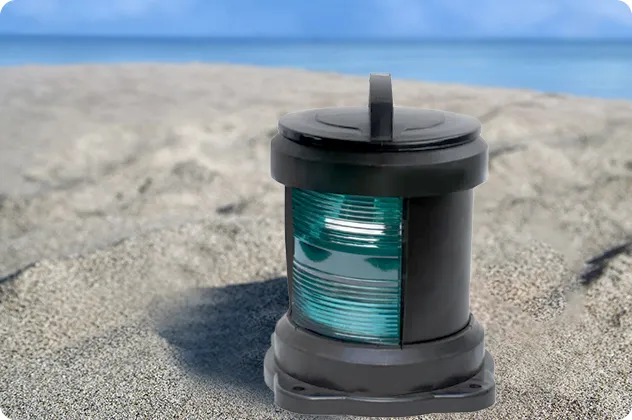
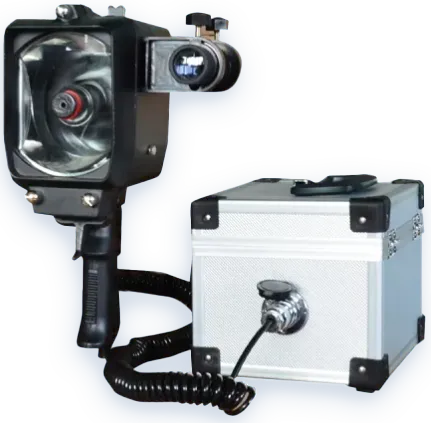
Article Overview: Avoid costly procurement mistakes with our step-by-step guide to evaluating navigation signal light suppliers. Includes RFQ tips, spec comparisons, and validation checkpoints.
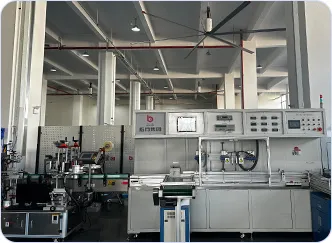
Article Overview: This article helps procurement managers, sourcing teams, and project engineers prepare for supplier evaluation and RFQ for navigation signal lights. It covers critical specifications, supplier qualification, cost-risk trade-offs, implementation validation, and a final checklist to reduce procurement mistakes.
When one line in the signal light datasheet changes everything on the floor, the difference between a reliable navigation system and recurring maintenance headaches often comes down to meticulous supplier evaluation. For high-intent buyers, the goal is not just to source a light that meets basic requirements, but to ensure long-term performance, regulatory compliance, and operational safety. This article provides a practical checklist to guide your evaluation and reduce costly oversights.
Understanding Navigation Signal Light Specifications
Before issuing an RFQ, it is essential to understand the key parameters that define a navigation signal light’s performance. Datasheets typically list luminous intensity (candela), color, visibility range, nominal voltage, power consumption, ingress protection (IP) rating, and materials. However, not all specifications are created equal. Pay particular attention to the following:
- Luminous Intensity and Visibility Range: Ensure the light meets the required minimum intensity for your vessel’s size and operating area. Check if the range is measured at the specified nominal voltage.
- Color and Chromaticity: Verify that the color coordinates comply with COLREGS (International Regulations for Preventing Collisions at Sea) or local maritime authority standards.
- IP Rating and Corrosion Resistance: Marine environments demand a minimum of IP66 for most deck-mounted lights. Look for housings made of marine-grade aluminum or stainless steel with proper gaskets.
- Wattage and Electrical Compatibility: Compare the power draw with your vessel’s electrical system. Consider line voltage variations and whether the light includes a voltage regulator or driver.
- Certifications: Confirm that the product holds valid type-approval certificates from recognized classification societies (e.g., DNV, ABS, Lloyd’s).
One common mistake is assuming that a light certified for leisure craft automatically meets commercial vessel standards. Always request a copy of the actual test report, not just a certificate number. This is where the datasheet line can change everything—missing a small footnote about test conditions may lead to non-compliance.
Supplier Qualification Criteria Beyond the Datasheet
After shortlisting products that match your technical requirements, the next step is to evaluate the supplier. A comprehensive supplier qualification process should include:
- Manufacturing Experience: How long has the supplier been producing marine lights? Do they have a dedicated quality control team? Visit the factory if possible, or request a virtual tour.
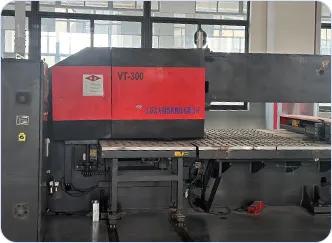
- Production Capacity and Lead Time: Can they deliver the required quantity within your schedule? What is their typical lead time for navigation signal lights? Inquire about buffer stock or rush order policies.
- Quality Management: Look for ISO 9001 certification and ask about their incoming inspection procedures for raw materials, in-process checks, and final testing.
- After-Sales Support: What warranty do they offer? Are there service centers near your ports? How quickly can they supply spare parts such as bulbs or lenses?
- Regulatory Compliance History: Request a list of type approvals and whether they have ever failed a periodic audit. A supplier that works with multiple classification societies often has a more robust compliance system.
For example, a hypothetical evaluation of a Navigation Signal Light solution from a manufacturer with in-house testing facilities might reduce risk compared to an assembler relying on third-party labs.
Cost vs. Performance Trade-offs in Navigation Signal Lights
Procurement decisions often hinge on unit price, but total cost of ownership (TCO) tells a more accurate story. Consider the following trade-offs:
- LED vs. Incandescent: LED lights have a higher upfront cost but significantly longer lifespan (50,000+ hours vs. 1,000-2,000 hours), lower power consumption, and greater vibration resistance. Incandescent lights are cheaper initially but require frequent bulb changes, increasing maintenance labor and downtime.
- Material Quality: A cheaper plastic housing may crack under UV exposure or salt spray, while marine-grade aluminum or bronze offers long-term durability. The initial price difference is often small relative to replacement costs.
- Spare Parts Availability: If the light uses proprietary LEDs or drivers, ensure the supplier commits to long-term availability. Standardized bulbs are easier to source but may not match the performance of integrated LED modules.
- Efficiency vs. Regulation: Some high-efficiency LEDs may not meet the precise color requirements for certain signal lights. Always cross-check performance data with the applicable standard.
When drafting your RFQ, include TCO criteria and ask suppliers to provide lifecycle cost estimates based on typical operating conditions. This will help you compare offerings more objectively.
Implementation Risks and Validation Before Purchase
Before finalizing an order, validate that the navigation signal light will integrate seamlessly with your existing systems and withstand real-world conditions. Key validation steps include:
- Mounting Compatibility: Check the mounting hole pattern, base dimensions, and orientation. Does the light need an adapter plate for your masts or bridges?
- Environmental Testing: Request sample units and conduct accelerated salt-spray testing and thermal cycling if possible. Verify that gaskets remain effective after thermal stress.
- Voltage Fluctuation Tolerance: Many vessels experience voltage drops or surges. Ask for the light’s operating voltage range and test it at the extremes.
- Vibration and Shock: For installation near engines or in high-vibration areas, confirm the light’s vibration resistance rating (e.g., IEC 60068-2-6).
- Installation and Maintenance Manual: Review the manual for clarity. A poorly documented product can cause delays during commissioning and troubleshooting.
For example, a Navigation Signal Light system that includes a built-in self-test feature can simplify periodic inspections and reduce unplanned downtime.
Final Checklist for Supplier Selection
To wrap up your evaluation, use this checklist before signing the contract:
- All technical specifications confirmed and matched to vessel class requirements.
- Type approval certificates from at least one recognized classification society are current and cover the exact model.
- Supplier provides a clear warranty policy (minimum 2 years recommended) and spare parts pricing.
- Sample units have been tested in conditions representative of your operational environment.
- Lead times and delivery terms are clearly stated and align with your project schedule.
- Supplier has a documented quality management system (ISO 9001 or equivalent).
- References from other buyers in similar vessel types are checked (request at least two).
- Cost analysis includes TCO, not just purchase price.
Red flags to watch for: vague responses to technical questions, reluctance to share test reports, excessively long lead times, or pricing that is significantly below market average without clear justification.
Frequently Asked Questions (FAQ)
What is the minimum IP rating recommended for a navigation signal light?
Should I prioritize LED over incandescent navigation lights?
What certifications should I look for in a navigation signal light?
How can I verify the light's performance before bulk purchase?
What are common pitfalls in RFQ for navigation lights?
Conclusion
Selecting the right navigation signal light supplier requires more than scanning a few datasheets. By systematically evaluating specifications, supplier qualifications, cost trade-offs, and implementation risks, you can avoid common procurement mistakes and ensure reliable performance over the vessel’s lifetime. Use the checklist provided as your starting point, and always validate claims with actual test reports and sample testing.
Ready to move forward? Begin your supplier inquiry with a clear RFQ that includes all the technical and commercial details discussed here. For a deeper look at specific product lines, explore our Navigation Signal Light offerings or compare with Marine Incandescent Light and other marine lighting solutions. Our factory is open to audits to support your due diligence.