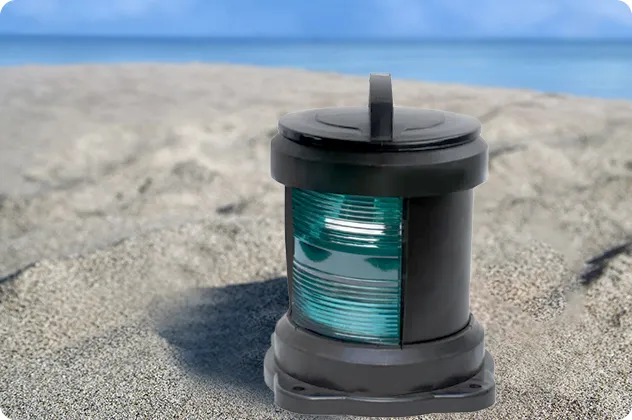
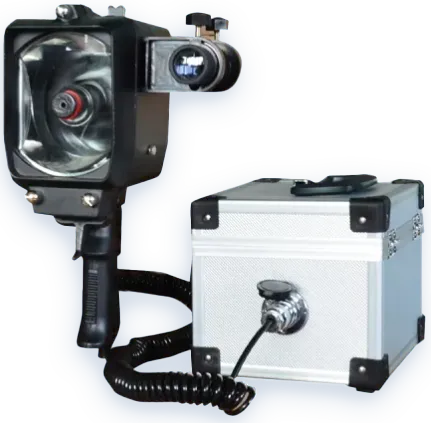
Article Overview: Explore how navigation signal lights are evolving. Learn about types, standards, and procurement considerations for marine lighting systems.

Article Overview: This article provides a structured overview of navigation signal lights for marine vessels. It explains fundamental technologies, regulatory compliance, and procurement factors, helping technical and operations leaders transform fragmented information into actionable knowledge. The guide focuses on early-stage research, avoiding vendor bias.
Understanding Navigation Signal Light Fundamentals
Navigation signal lights are essential for maritime safety, enabling vessels to communicate position, heading, and status after dark or in reduced visibility. The International Regulations for Preventing Collisions at Sea (COLREGS) define specific light configurations for different vessel types and activities. Common types include masthead lights, sidelights, stern lights, and all-round lights. Each has defined color, arc of visibility, and intensity requirements.
For technical buyers, the first step is mapping the applicable regulations to the vessel's operational profile. A cargo ship operating internationally will need a different lighting set than a workboat confined to inland waterways. Understanding these fundamentals helps narrow product selection without over-specification.
Key Technologies in Modern Signal Lights
Marine signal lighting has evolved from traditional incandescent bulbs to more efficient and durable options. Three main technologies dominate the market today:
- Incandescent: Legacy technology still found on many vessels. Simple and low initial cost, but shorter lifespan and higher power consumption. Suitable for vessels where replacement is easy and cost is the primary constraint.
- Fluorescent: Offers better energy efficiency than incandescent and longer service life. However, fluorescent tubes contain mercury, requiring careful disposal. Some marine-specific marine fluorescent light solutions address vibration resistance, but overall adoption is declining in favor of LED.
- LED: The preferred choice for new builds and retrofits. LEDs provide superior energy efficiency, very long lifespan (50,000+ hours), and excellent vibration and shock resistance. They also enable precise color and intensity control, simplifying compliance. For example, an LED-based Navigation Signal Light system can maintain consistent output across input voltage fluctuations, a common issue on marine electrical systems.
Each technology has trade-offs. The decision depends on total cost of ownership, regulatory acceptance, and maintenance capabilities. Procurement teams should request photometric data sheets and certifications before shortlisting suppliers.
Navigating Standards and Compliance
Compliance with international and flag-state regulations is non-negotiable. The key framework is COLREGS Annex I, which specifies positioning and technical details. Additionally, classification societies (e.g., DNV, Lloyd's Register, ABS) impose their own rules. A signal light must carry type approval from a recognized body to be installed on classed vessels.
Technical buyers should verify that the product documentation includes test reports for photometric performance, ingress protection (IP rating), and mechanical robustness. Look for markings that indicate the standard (e.g., IMO MSC.253(83) for LED navigation lights). The supplier’s Product pages often list these certifications, making initial screening efficient.

Procurement Considerations for Technical Buyers
When evaluating navigation signal lights, focus on factors that affect long-term reliability and operational cost:
- Durability: Marine environments impose salt spray, UV exposure, and extreme temperatures. Housing materials (e.g., marine-grade aluminum, polycarbonate) and sealing (IP56 or higher) are critical.
- Certification: As noted, type approval from a recognized society is often mandatory. Check the validity period and scope of the certificate.
- Supply Chain: Spare parts availability and lead times can impact vessel availability. Choose suppliers with a track record of consistent production and global distribution.
- Ease of Maintenance: Modular designs allow quick lamp replacement without rewiring. Some units feature integrated connectors, reducing installation errors. For example, Marine Electrical Connectors from the same manufacturer can simplify integration.
A structured comparison matrix—listing required certifications, power draw, weight, and warranty—helps teams make evidence-based decisions.
Opportunities and Trends in Marine Signal Lighting
The marine lighting market is shifting toward intelligent, connected systems. Emerging trends include:
- Energy Efficiency: LED technology continues to improve, with newer chips delivering more lumens per watt. Vessel owners can reduce generator load or extend battery life on sailing vessels.
- Smart Monitoring: Some advanced signal lights incorporate self-diagnostic features, alerting crews to lamp failures or intensity degradation. This reduces unplanned maintenance and enhances safety.
- Harmonization of Standards: While compliance remains complex, international bodies are working toward unified testing methods. This could streamline certification for suppliers and simplify procurement for global fleets.
For early-stage researchers, these trends indicate a favorable environment for investing in LED-based solutions today, with a clear upgrade path to smarter systems in the future. Monitoring industry reports from IMO and classification societies can provide early signals for regulatory changes.

Frequently Asked Questions
What are the main types of navigation signal lights?
There are several types: masthead lights (white, 225° arc), sidelights (red port, green starboard, 112.5° arc), stern light (white, 135° arc), and all-round lights (white, red, or yellow, 360°). The combination depends on vessel type and situation (e.g., at anchor, underway, towing).
How do I know if a signal light is compliant with COLREGS?
Look for a label or certificate indicating compliance with IMO standards, often referencing MSC.253(83) for LED lights. Also check that the light meets the intensity and color specifications in Annex I of COLREGS.
What is the typical lifespan of an LED navigation light?
Quality LED modules can last 50,000 to 100,000 hours, but the entire fixture's lifespan also depends on the driver electronics and sealing. Manufacturers often specify L70 or L80 ratings (hours until 70% or 80% of initial lumen output).
Can I retrofit existing incandescent lights with LED?
Yes, many manufacturers offer retrofit kits or replacement LED lamps that fit standard bases. However, ensure the retrofit is certified for marine use and that the light output meets regulatory requirements. Some classification societies may require new type approval for retrofits.
How important is the IP rating for navigation lights?
Very important. IP56 or higher is typical, indicating protection against water jets and dust ingress. For lights exposed to deck wash or heavy spray, IP67 is preferable. The rating directly affects long-term reliability.
Conclusion
The landscape of navigation signal lights is rich with options, but success lies in decoding the core signals: regulatory requirements, technology trade-offs, and procurement fundamentals. By understanding these dimensions, technical and operations leaders can move from fragmented information to a clear opportunity map. The shift toward LED and intelligent systems offers a practical starting point for upgrades and new builds. For further exploration, review the full Navigation Signal Light solution offerings at leading suppliers.